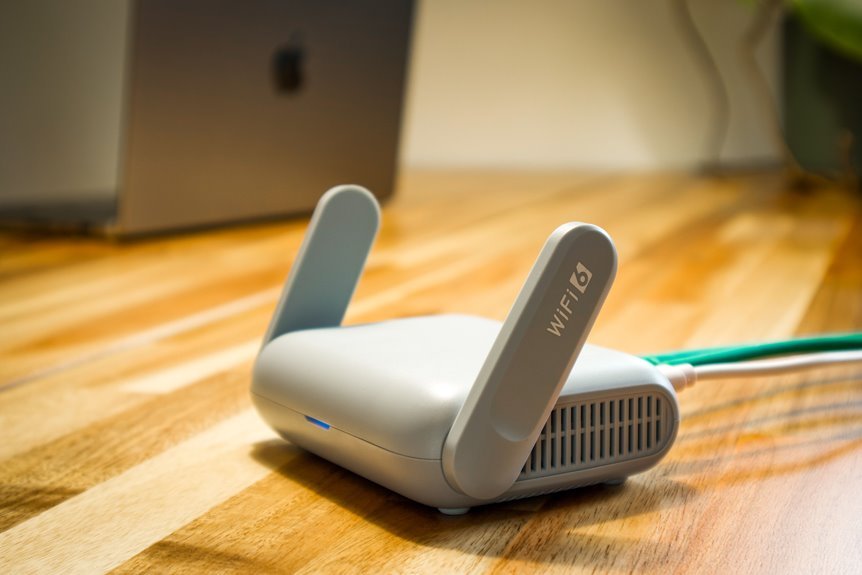
168.178.132 Router WiFi Setup and Login Guide
Access to the 168.178.132 router admin page is the first step toward a secure network. The guide outlines logging in, then replacing default credentials with a strong, unique username and password. It covers WiFi setup—SSID choice, encryption (WPA2/WPA3), channel stability, and WPS disablement—along with ongoing checks for interference and firmware updates. Each step builds toward reliable access, but potential issues remain, prompting careful attention to configuration details and compatibility considerations as issues arise.
How to Access the 168.178.132 Router Admin Page
To access the router admin page at 168.178.132, users must connect a device to the router’s network and navigate to the specified IP address in a web browser. The procedure emphasizes accessibility considerations and legal compliance, ensuring documentation remains clear and actionable. The interface should present concise prompts, accessible controls, and transparent logging to support freedom in device management while maintaining compliance.
Change Default Credentials for Better Security
After establishing access to the router admin page, users should replace default credentials to reduce unauthorized access risk. This change requires selecting a strong, unique username and a complex password, avoiding common terms.
Documented as security tuning and credential hygiene, the process minimizes attack surface, supports ongoing access control, and aligns with disciplined configuration practices for robust device defense.
Set Up WiFi: SSID, Password, and Encryption Essentials
Set Up WiFi requires configuring the network name, authentication credentials, and protective transmission settings in a precise sequence.
The procedure defines SSID security by selecting a unique, broadcastable or hidden identifier and applying stable channel settings.
Encryption essentials mandate WPA2/WPA3, robust passphrases, and disabled WPS.
Structured validation confirms connectivity, integrity, and compliance with security policy, before enabling client access and auditing configuration.
Troubleshooting Common 168.178.132 Router Issues and Performance Tips
In the wake of configuring SSID, credentials, and encryption, this section addresses common 168.178.132 router issues and practical performance tips.
It details network troubleshooting steps, highlighting signal integrity, channel interference, and device startup checks.
Firmware updates are outlined with safe rollback guidance, stressing schedule, validation, and compatibility to maintain stable throughput and predictable connectivity for empowered users seeking freedom.
Frequently Asked Questions
How to Reset the Router to Factory Defaults?
A factory reset restores defaults by holding the reset button for ten seconds, then reconfiguring the device. After reset, perform a firmware update promptly to ensure security and stability; proceed with custom settings to maintain functional autonomy.
Can I Mirror the Wifi to a Guest Network?
Yes, mirror mode is typically unsupported for guest networks; guest network isolation remains intact, preventing traffic reflection. The device would require explicit bridge or VLAN configurations, but most consumer routers prohibit cross-network mirroring to preserve security and freedom.
What Parental Controls Are Available on This Router?
Parental restrictions are available via the router’s Security settings; Content filtering can be enabled per device or network-wide. The interface provides adjustable categories, schedules, and whitelists/blacklists, enabling constrained access while preserving user autonomy within configured boundaries.
How to Update the Router’s Firmware Manually?
Gently, the procedure is to access the router’s admin panel, locate firmware, and initiate manual update. The update frequency and security patches should be reviewed, while noting a second topic not relevant to other H2s remains untouched.
Is There a Mobile App for Router Management?
There is no dedicated mobile app for router management; app availability varies by model. Users can perform mobile setup via web interface or vendor-specific tools when supported, enabling remote access and configuration through browser-based or companion software.
Conclusion
In the final moment, the administrator sits back as the page closes. The network, now shielded by strong credentials and WPA3, hums with quiet precision. A single, deliberate click reveals a stable channel and a thriving SSID, broadcasting just enough information to sustain connectivity without inviting risk. Yet the firmware watchfully awaits the next change, firmware rollback ready, a silent safeguard. The curtain falls, but the secure zone remains, ready for whatever the next session requires.