0.0.102 Private Network Setup Guide
The 0.0.102 Private Network Setup Guide presents a self-contained approach to secure, private addressing and controlled access. It emphasizes disciplined provisioning, validated Bluetooth pairing with QoS tuning, and encrypted data in transit. The guide details precise hardware topology, documented firewall rules, and routine audits to minimize drift and misconfigurations. Ongoing monitoring and centralized logging are stressed to avoid vendor lock-in while preserving autonomy. The framework invites scrutiny and disciplined execution, with consequences for gaps that demand careful attention.
What Is 0.0.102 Private Network and Why It Matters
A 0.0.102 private network refers to a self-contained, isolated networking environment configured with private addressing and controlled access, designed to enable secure, predictable communication among a defined set of devices. This architecture emphasizes autonomy and control, addressing privacy concerns while mitigating external exposure.
However, potential vendor lock in may arise from specialized components, protocols, and management interfaces, warranting careful evaluation and disciplined procurement.
Set Up Hardware and Network Topology for 0.0.102
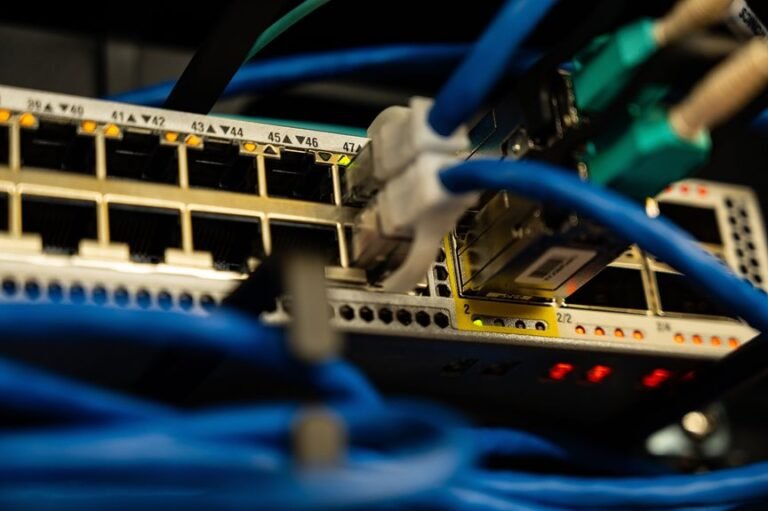
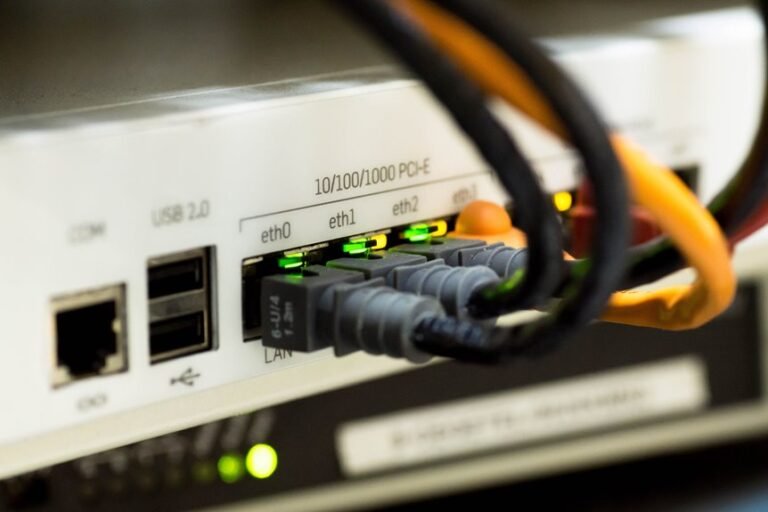
Setting up the hardware and network topology for a 0.0.102 private network requires a precise, methodical approach that aligns devices, links, and addressing to a single, controlled environment.
The topology prioritizes reliability and freedom through deliberate layout, clear interfaces, and disciplined provisioning.
bluetooth pairing and qos tuning are coordinated, validated, and documented to prevent drift and maintain predictable performance.
Secure Access, Encryption, and Firewall Rules You Must Deploy
Secure access, encryption, and firewall rules form the core defenses of a private 0.0.102 network. The design enforces strict authentication, minimizes exposure, and ensures encrypted channels for all data in transit.
Firewall rules, maintenance routines, and access controls are documented, reviewed, and tested to prevent intrusion, while preserving user autonomy and freedom through transparent, robust security posture.
Ongoing Maintenance, Monitoring, and Common Pitfalls to Avoid
Ongoing maintenance and continuous monitoring ensure the private network remains characterized by reliability and secure operation, building directly on the implemented access controls and encryption described previously.
The approach emphasizes disciplined upkeep, regular audits, and centralized logging to detect anomalies early.
Clear procedures mitigate maintenance monitoring issues, while awareness of pitfalls to avoid prevents misconfigurations, drift, and false positives undermining freedom and resilience.
Frequently Asked Questions
How Scalable Is 0.0.102 for Growing Private Networks?
The scalability of 0.0.102 supports incremental network growth, with measured constraints. It addresses scalability concerns through modular expansion, though limits may emerge under rapid growth. The system remains methodical, defensive, and precise, appealing to users seeking freedom.
Can 0.0.102 Integrate With Existing VPNS?
Dialing back complexity, the system can integrate with existing VPNs, though it faces integration challenges and compatibility concerns. The evaluation is cautious, methodical, and defensive, acknowledging freedoms while detailing practical constraints and risk considerations. Anachronism: dial-up foresight.
What Are Best Practices for Key Management?
Best practices for key management emphasize strict privacy governance and regular key rotation. The approach is precise, methodical, and defensive, aiming to preserve user autonomy while minimizing risk and providing secure, auditable controls for independent, freedom-seeking deployments.
How Does 0.0.102 Handle Multi-Site Deployments?
Multi site deployments are handled with careful segmentation and centralized policy controls, ensuring scalable network scaling. The approach prefers modular coordination, deflecting risk while maintaining freedom of operation, though limitations are acknowledged and mitigated through disciplined, defensive governance.
What Are Common Troubleshooting Steps for Outages?
Outage diagnostics follow a disciplined sequence to restore service and verify network reliability. It begins with baseline checks, then isolation of failures, patterned revalidation, and documentation, ensuring independent teams confirm results while preserving user autonomy and operational freedom.
Conclusion
This guide presents a disciplined, defense-in-depth approach to 0.0.102 private networks, emphasizing isolation, encryption, and auditable controls. It is methodical for practitioners who demand verifiable security and reproducible configurations. An anticipated objection—“it’s too complex for small teams”—is addressed by modular provisioning and documented playbooks that scale with resources. By adhering to validated topology, strict access controls, and routine audits, operators minimize drift and vendor lock-in while preserving autonomy and resilience.