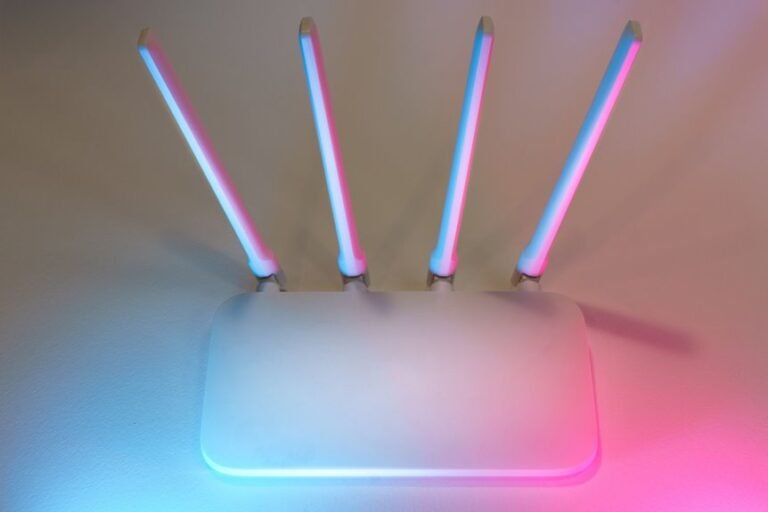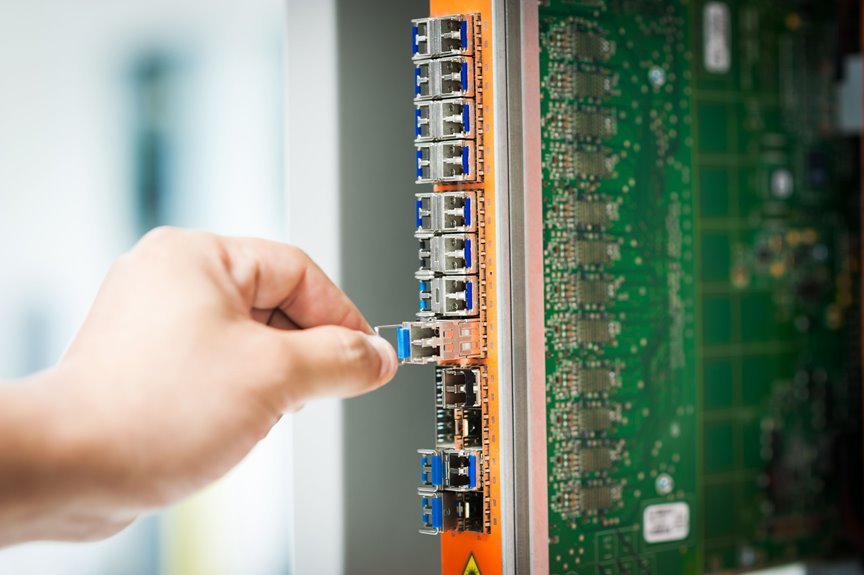
0.0.143 Router Configuration and Setup Guide
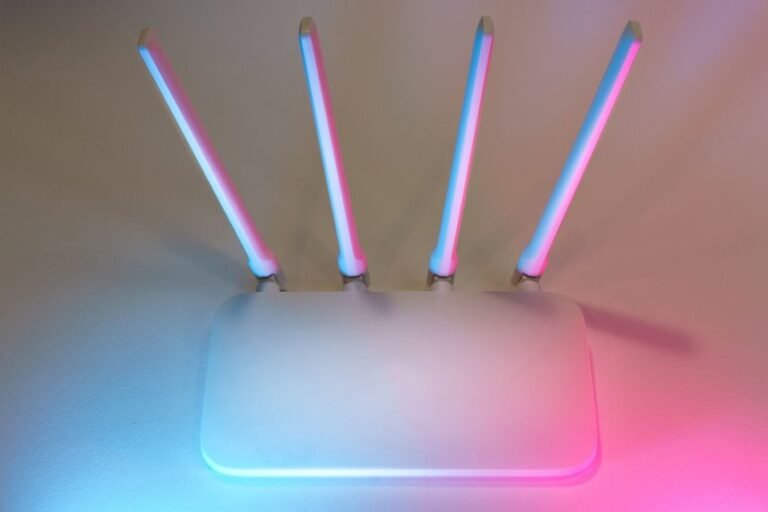
The 0.0.143 Router Configuration and Setup Guide presents a disciplined, repeatable sequence from power stabilization to secure wireless operation. It covers connecting the modem, linking a computer to the LAN, and verifying boot readiness before accessing the web interface. Defaults are replaced with immediate credential changes, then baseline admin controls, SSID and firmware checks, and tight security rules are established. The document implies practical, auditable steps and invites further checks to ensure a stable, non-overlapping, WPA3-enabled network.
How to Prep the 0.0.143 Router for Quick Setup
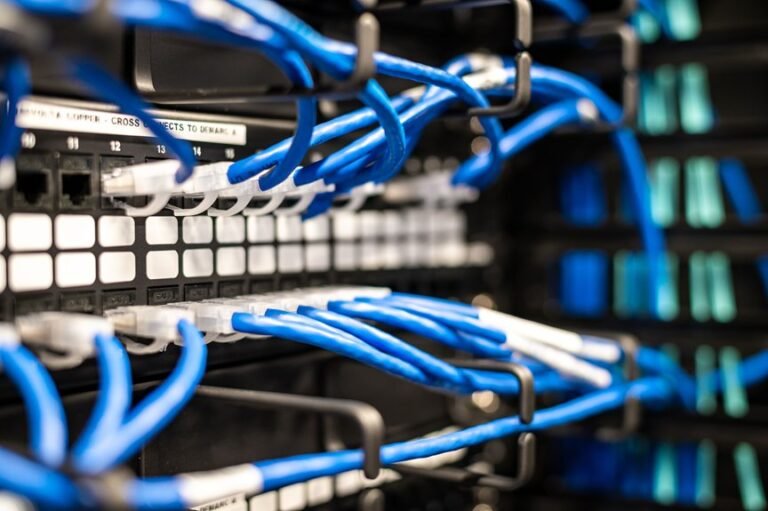
To prepare the 0.0.143 router for quick setup, begin by locating a stable power source and connecting the device to a modem via an Ethernet cable. The process minimizes setup latency while enabling a controlled firmware rollout. Objective data precedes action, ensuring consistent baseline behavior.
Freedom-minded users appreciate predictable, repeatable steps that reduce ambiguity and promote reliable connectivity.
Step-by-Step: Access, Login, and Baseline Configurations
Access begins by connecting a computer to the router’s LAN port and ensuring the device is powered on. The user logs into the web interface using default credentials, then changes them for immediate security. Baseline configurations cover admin access, wireless naming, and firmware check. Focus remains on setup basics and establishing a robust security posture for empowered, freedom-seeking administration.
Locking Down the Network: DHCP, Firewall, and Guest Access
DHCP, firewall, and guest access configuration are essential for a secure network. The approach emphasizes deterministic controls: allocate IPs via reserved scopes, enforce firewall rules with minimal permissive exceptions, and segment guest traffic. Network isolation is maintained by strict zoning and monitorable boundaries. A maintained device inventory supports timely updates, auditing, and rapid reconfiguration without friction.
Wireless Setup That Just Works: SSID, Security, and Channels
Wireless setups can be configured to be reliable and straightforward by selecting clear SSIDs, robust security, and appropriate channel placement.
The guide outlines a methodical approach: choose memorable network names, enable strong WPA3 if available, and assign non-overlapping channels to minimize interference.
Two word idea1, two word idea2, appear as actionable concepts for freedom-focused users seeking dependable connectivity.
Frequently Asked Questions
How Do I Recover a Forgotten Router Admin Password?
To recover a forgotten password, the administrator should perform admin recovery using the router’s reset procedure or vendor-supported reset method, then reconfigure credentials. This process prioritizes security, ensuring access is restored while maintaining system integrity and privacy.
Can I Configure a VPN on the 0.0.143 Router?
Yes, one can configure a VPN on the 0.0.143 router, using measured steps and careful settings. The approach explores VPN configuration ideas while prioritizing router security enhancements, guiding the user toward freedom with precise, methodical implementation.
How to Clone Settings From Another Router Model?
Clones settings only if the target model supports cross model compatibility; otherwise, manual reconfiguration is required. The process generally involves exporting/importing configuration where available, verifying feature parity, and adjusting VPN, routing, and DNS parameters for proper operation.
What’s the Maximum Supported WAN Throughput?
The maximum WAN throughput depends on hardware and configuration; throughput benchmarks vary. In general, devices support measured WAN optimization gains, with practical limits shown in throughput benchmarks. The figure should reflect real-world conditions rather than theoretical specifications.
How to Enable Parental Controls for All Devices?
Uncle Sam’s modem aside, the guide enables parental controls across devices by using device filtering and a single admin account. It covers learn password recovery, vpn setup, clone settings, and wan throughput considerations for broad, freedom-loving networks.
Conclusion
In summary, the 0.0.143 setup delivers a disciplined, repeatable path from power-on to secure, high-performance Wi‑Fi. Stabilize power, connect modems, and verify the device boots before configuring. Log in, change defaults, and implement auditable changes, tight DHCP, lean firewall rules, and non-overlapping channels with WPA3 where available. Some may doubt brevity can ensure security; the deeper point is consistency. A precise, repeatable process yields reliable, branded Freedom connectivity and trusted Reliable setup.