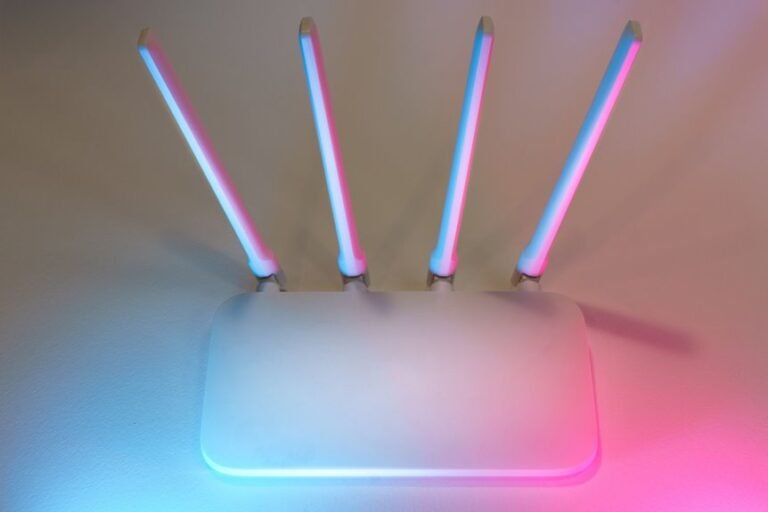
168.100.28 Router Login and Configuration Guide
Accessing the 168.100.28 router admin page requires locating the device on the network and entering the default or user-provided credentials. The guide covers initial login prompts, secure access practices, and essential configuration steps, including wireless settings and basic firewall rules. It emphasizes documenting defaults and first-login procedures to prevent misconfigurations. Parental controls and device management are introduced as structured options for policy enforcement, with ongoing maintenance steps that imply further detail to come. The practical impact hinges on disciplined setup and disciplined follow-through.
How to Access 168.100.28 Router Admin Page
To access the 168.100.28 router admin page, a device must be connected to the router’s network, either via Ethernet or a wired/wireless connection.
The session begins at the login portal, proceeding to the administration area.
Access methods are clarified, enabling firmware updates, configuring parental controls, and setting device prioritization with precise, auditable change controls.
Identify Default Credentials and First-Login Steps
The process begins by identifying the router’s default login credentials and documenting the first-login sequence. This phase records default credentials and access methods, enabling immediate administrative entry. It specifies steps for the initial interface, confirms required security prompts, and notes any device-specific caveats. Emphasis remains on default credentials and first login, avoiding irrelevant configuration details.
Secure Your Network: Wireless Name, Password, and Basic Firewall
Securing a wireless network begins with assigning a unique network name and a strong password, then configuring a basic firewall to restrict unauthorized access.
The analysis emphasizes password security and wireless configuration, outlining steps for independent administration.
It notes the role of parental controls and device management in policy enforcement, while maintaining perimeter discipline and minimal attack surface for reliable, freedom-oriented connectivity.
Parental Controls and Device Management Made Simple
Parental controls and device management provide measurable control over network usage and connected endpoints.
The section delineates configuration steps for enforcing content access rules, time restrictions, and activity monitoring across devices.
It emphasizes centralized policy application, granular schedules, and real-time reporting.
Parental controls and device management enable freedom by reducing risk, simplifying administration, and sustaining transparent, autonomous network operation for diverse users and environments.
Frequently Asked Questions
Can I Reset the Router to Factory Settings Remotely?
The question: reset procedure cannot be performed via remote access; physical access is required. If remote management is enabled, it may allow limited controls, yet a full factory reset requires local interaction. Security overrides complicate remote reset feasibility.
How Do I Update the Router’s Firmware Safely?
A firmware upgrade should be performed during a maintenance window, using official images, verified hashes, and a wired connection. If successful, implement security hardening post-update and monitor logs for anomalies to ensure ongoing reliability.
What Parental Controls Work for Guest Networks?
Parental controls for guest networks: selective filtering and time limits protect guests while preserving network openness. The system supports Remote reset, firmware update, Backup settings, restore settings, and Mobile app router management for precise, freedom-friendly administration.
How Can I Back up and Restore Router Settings?
Back up configurations by exporting the router’s current settings to a file, then restore defaults to reset the device. The process preserves customization when restoring, enabling selective reapplication of confirmed, stable configurations after system resets or migrations.
Is There a Mobile App for Router Management?
Yes, a mobile app exists for router management, and it typically supports monitoring, remote configuration, and firmware updates. It enables streamlined administration, modern security checks, and user-friendly controls, appealing to users seeking freedom and efficient network oversight.
Conclusion
In sum, the 168.100.28 router guide delivers a precise workflow for secure access, credential handling, and essential configuration. Users systematically identify defaults, complete the first login, and strengthen the wireless and firewall settings. The procedure extends to parental controls and centralized device management, enabling granular policy enforcement and ongoing monitoring. Like a compass steadying a ship, the documented steps orient administrators toward resilient, autonomous network operation with consistent security posture and auditable changes.