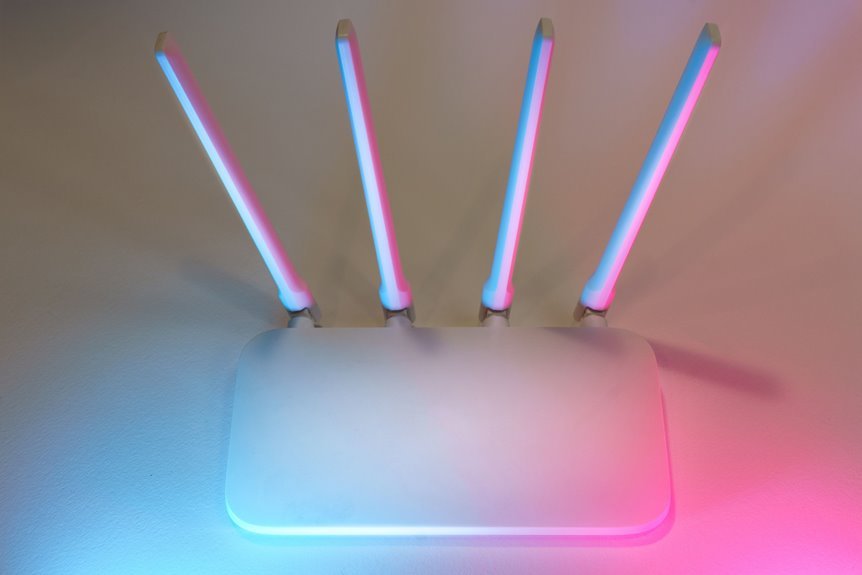
19216813 Router Login and Setup Guide
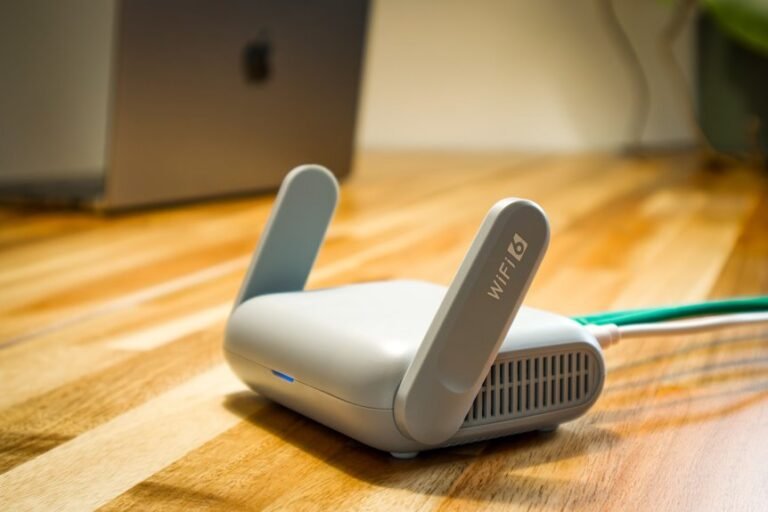
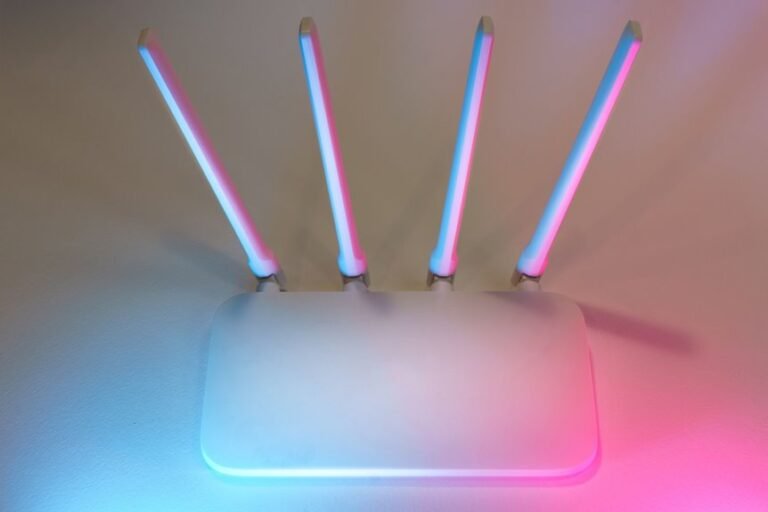
Accessing the 19216813 router admin panel requires locating the gateway address on the network and using a trusted browser. Begin with default credentials, then immediately change them and disable risky features like WPS. Establish a guest network, enforce WPA3, and keep unique admin passwords. Regular backups before firmware updates are essential, followed by documented changes and recovery procedures. Each step should be verified for outcomes, ensuring a secure, auditable setup that prompts the next practical consideration.
How to Access the 19216813 Router Admin Panel
To access the 19216813 router admin panel, locate the device’s gateway address on the connected network.
The procedure emphasizes deliberate steps, verification, and control.
Access is achieved through a secure browser session, with attention to cookie consent and user privacy settings.
Administrative visibility enables precise configuration while preserving autonomy, transparency, and responsible data handling within the network environment.
Default Credentials and Initial Login Steps
First, a precise default password is seldom permanent; many routers ship with a standard set of credentials, typically labeled on the device or in the accompanying documentation, that grant initial access to the admin interface.
Default logins enable immediate management, after which users should change credentials, disable WPS, and configure guest network setup for controlled access and enhanced freedom.
Essential Security and Wi-Fi Setup Tips
Weak default security and poor Wi‑Fi configuration leave networks vulnerable; therefore, implementing strong, clear safeguards is essential for 19216813 router users.
The section outlines disciplined network security practices, emphasizing robust WPA3, unique admin credentials, and regular password audits.
It also covers guest network wifi optimization, segregation of devices, and parental controls to balance freedom with responsible usage.
Firmware Updates, Backup Settings, and Troubleshooting
Firmware updates, backup settings, and troubleshooting constitute essential maintenance for 19216813 routers.
The section describes systematic procedures for updating firmware, creating backups, and diagnosing issues.
It emphasizes preserving operational control through clear steps and verifiable outcomes.
Actions include executing backup firmware, verifying integrity, applying restore settings if faults occur, and documenting changes for reproducible config recovery.
Frequently Asked Questions
Can I Use a Mobile App to Manage the Router?
Yes, it is possible. The system supports mobile app management for basic and advanced tasks, including firmware updates, with secure authentication. This approach favors freedom and convenience while preserving network control and visibility.
How Do I Reset to Factory Defaults Safely?
Anecdote first: a beacon lighthouse, once dim, brightens after a precise reset. The reset procedure restores defaults, but factory reset safety requires backup, securing credentials, and following manufacturer steps to avoid bricking the device.
Can I Enable Guest Network Isolation yet Keep Main SSID?
Yes, it is possible to enable guest isolation while preserving main SSID coexistence. The setup segregates guest traffic from the main network, allowing the main SSID to remain accessible while guests are isolated for security and privacy. guest isolation, main SSID coexistence.
What Parental Controls Are Available and How to Configure?
Parental controls overview: the router provides time limits, content filters, and site blocking, plus activity logs. Configuring parental controls involves selecting profiles, assigning devices, setting schedules, and applying filter levels; settings may be saved as a unified policy.
How Can I Monitor Data Usage and Connected Devices?
To monitor data usage and connected devices, the router’s admin panel provides real-time dashboards, statistics, and device lists. It flags anomalies, categorizes traffic, and allows filtering; users can set alerts while preserving freedom to manage settings.
Conclusion
In summary, the 19216813 router setup guide delivers a precise, structured pathway from initial login to ongoing security hardening. Following default credentials only as a temporary measure, administrators should promptly change them, enable WPA3, disable WPS, and segment guest access. Regular password audits, firmware updates, and routine backups safeguard stability and recoverability. Documented changes create an auditable trail, ensuring accountability. With disciplined adherence, network resilience becomes a fortress—impenetrable as a fortress of steel and light.