168.0.129 Router Login and Home Network Setup Guide
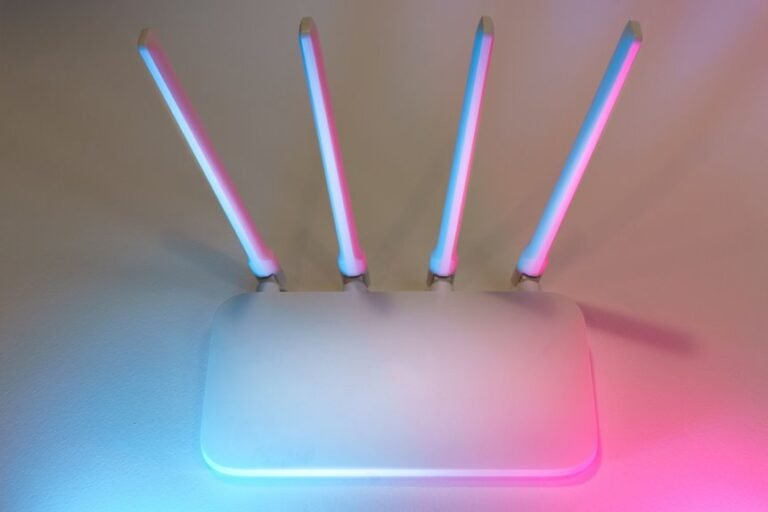
Access to the 168.0.129 router admin panel hinges on the proper use of the default gateway and verified credentials. The guide emphasizes securing defaults, changing credentials, and enabling a firewall as foundational steps. It then covers setting up clear SSIDs, strong WPA3 passwords, and controlled guest access. Ongoing maintenance focuses on firmware updates, diagnostics, and structured troubleshooting to sustain performance. The process invites a disciplined approach and prompts further consideration of advanced configurations.
How to Access the 168.0.129 Router Admin Panel
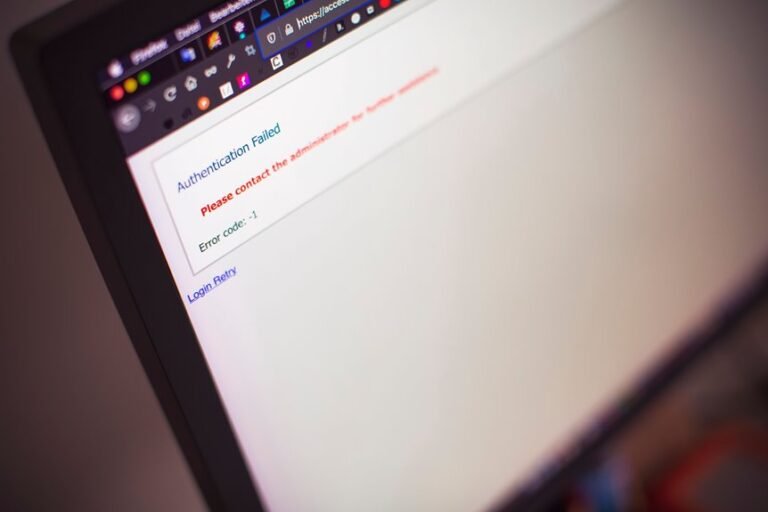
To access the 168.0.129 router admin panel, locate the device’s default gateway address and enter it into a web browser’s address bar. The login page appears, prompting authentication. Admin access requires valid credentials, typically supplied by the provider or configured during setup. Upon success, router login grants configuration access while preserving network autonomy, efficiency, and freedom.
Secure Your Network: Changing Defaults and Enabling a Firewall
Securing a home network begins with changing default credentials and enabling a firewall to prevent unauthorized access. A structured security audit evaluates default settings, firmware, and exposed services, guiding timely hardening actions.
Enabling a firewall blocks unsolicited traffic, while device isolation segments vulnerable endpoints. This approach reduces risk, clarifies control, and supports freedom through sovereign, resilient network configuration.
Set Up Wi‑Fi: SSIDs, Passwords, and Guest Access Basics
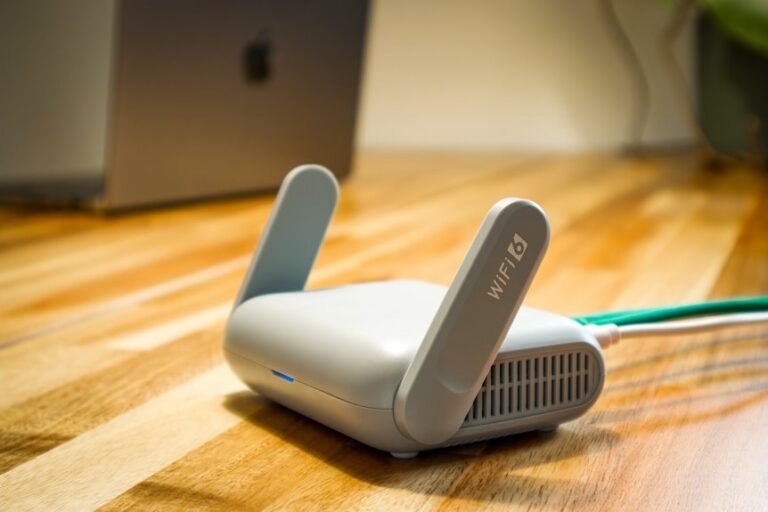
Setting up Wi‑Fi involves selecting clear SSIDs, enforcing strong passwords, and configuring guest access to balance usability with security. The guide outlines standard SSID naming, WPA3 where available, and regular password rotation. It covers set up guest network options, bandwidth priorities, and time restrictions. It also notes manage parental controls, monitoring, and access logging for responsible, flexible home networking.
Maintain and Troubleshoot: Firmware Updates, Troubleshooting, and Optimization
Maintaining a router and home network involves systematic firmware management, targeted troubleshooting, and performance optimization to sustain reliability and security.
The process emphasizes timely firmware updates, controlled firmware rollback when issues arise, and hardware diagnostics to identify failures.
Structured steps isolate problems, verify configurations, and apply minimal-impact fixes; continuous monitoring guides optimization, ensuring stable throughput and reduced vulnerability without unnecessary changes.
Frequently Asked Questions
Can I Backup and Restore Router Settings?
The answer: Yes, the router supports backup restore of configurations. They can backup current settings and restore later. Parental controls settings are included in the backup. Technical procedure is structured, ensuring user autonomy and easy recovery.
How Do I Set Parental Controls on This Router?
Parental controls overview: the router’s settings enable time limits, site filtering, and access schedules; security implications include potential bypass risk and device-specific policy enforcement. The procedure is concise, technical, and structured for users who value freedom.
Can I Configure a Guest Network Without Internet Access?
Yes, a guest network can be configured without internet access; it isolates devices while preserving local traffic. The setup involves guest network, internet access toggle, backup settings, and parental controls, ensuring controlled connectivity and enhanced privacy for freedom-seeking users.
How to Monitor Connected Devices and Usage?
Monitoring devices and usage is possible via router QoS/Traffic Statistics screens, network map, and client logs. The system provides real-time graphs, per-device data, and historical reports for informed, freedom-minded management without external services.
Is Remote Admin Access Secure and Configurable?
Remote admin can be secured via secure configuration, enabling encryption and strong access controls; backup restore and parental controls aid resilience. Consider guest network segmentation and device monitoring to balance freedom with network governance, while maintaining auditable remote administration.
Conclusion
Authenticating to the 168.0.129 router empowers autonomous network control, enabling secure configuration and proactive maintenance. The guide emphasizes changing defaults, enabling a firewall, and routine firmware updates to sustain integrity. Clear SSIDs, strong WPA3 passwords, and guest access support robust access management. Regular diagnostics and structured troubleshooting ensure reliability. In closing, a vigilant admin should treat security as a living protocol—reminding one of Gutenberg’s pressrooms humming at dawn, a nod to timeless vigilance amid modern circuitry.