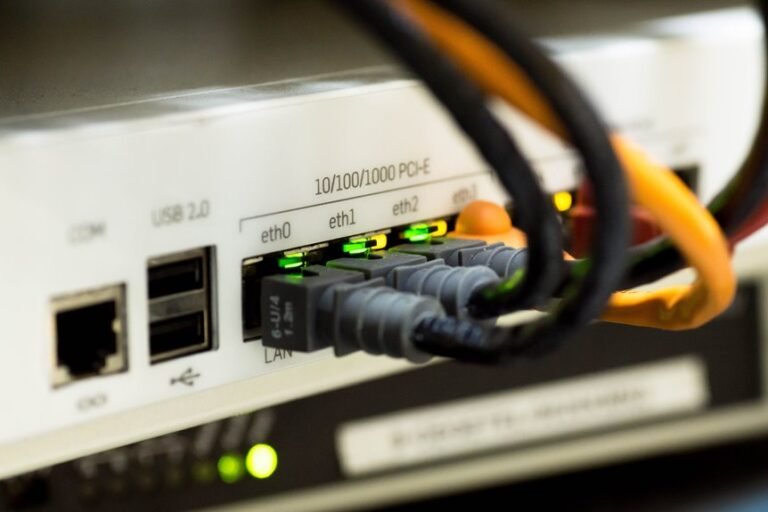
168.1.129 Router Configuration and Login Guide
A structured approach to the 168.1.129 router setup begins with identifying the device and confirming its default credentials. The guide emphasizes safe access, first-time login, and firmware updates as foundational steps. From there, it outlines securing admin access, configuring strong Wi‑Fi, and implementing a layered firewall. Additional features such as guest networks and parental controls are considered, along with clear access rules. The process culminates in ongoing maintenance to preserve security, leaving the next step clearly defined for action.
What Is 168.1.129 Router and Its Default Credentials?
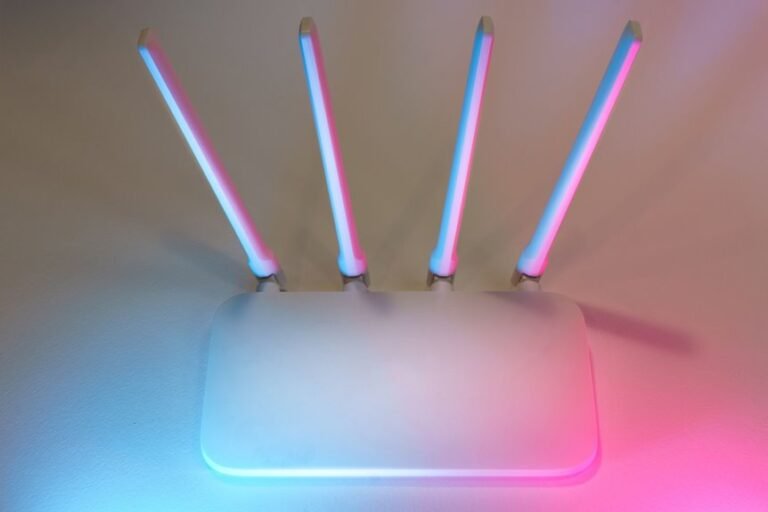
The 168.1.129 router is a network device used to manage local area network traffic and provide gateway services to connected devices. It functions as a centralized control point, requiring prudent handling.
Default credentials vary by model but generally provide administrator access; changing them enhances network security.
Regular firmware updates and secure configuration practices sustain reliability and empower users seeking freedom and control.
Accessing the Login Page Safely and First-Time Setup
Accessing the login page safely and conducting the first-time setup requires a disciplined, step-by-step approach. This section details how to access the router interface, verify device integrity, and perform initial configuration. Emphasize firmware updates, strong credentials, and robust security practices.
The first time setup should establish baseline protections, network naming, and administrative access controls for long-term freedom and reliability.
Secure Wi‑Fi and Firewall Basics for 168.1.129
Secure Wi‑Fi and Firewall Basics for 168.1.129 involve establishing a robust wireless configuration and a tightly controlled network barrier. The system emphasizes secure settings, precise firewall basics, and clearly defined access rules. Implement strong encryption, regular firmware updates, and separate guest networks. Parental controls remain available as an optional layer, while core protections deter unauthorized access and preserve network integrity.
Parental Controls, Guest Networks, and Ongoing Maintenance
Parental controls, guest networks, and ongoing maintenance form a structured framework for a 168.1.129 router, ensuring monitored access, segregated network segments, and proactive upkeep.
The approach emphasizes deliberate configuration choices, clear policy definitions, and routine reviews.
Parental controls, guest networks, and ongoing maintenance ideas guide administrators toward balanced freedom with responsible usage, robust segmentation, and timely updates ensuring consistent network integrity and adaptability.
Frequently Asked Questions
How to Reset the Router to Factory Default Settings?
The reset procedure requires holding the device’s recessed button for ten seconds, initiating a factory reset. After reboot, perform a firmware update to ensure security and stability, then reconfigure settings as needed for preferred network control and freedom.
What to Do if the Login Page Won’T Load?
“Hope springs eternal.” The login page won’t load; perform login troubleshooting steps: check browser compatibility, attempt reset procedure, ensure firmware update, review app features, verify IP customization, back up restore, and confirm mobile app compatibility.
Can I Change the Router’s IP Address?
Yes, a user can change IP address. The process involves logging in, navigating to network settings, and applying a new gateway IP; if issues arise, perform a factory reset, then reconfigure from scratch for clean control.
How to Back up and Restore Router Configurations?
Backup schedules and firmware upgrades are essential; to back up and restore, one should export configuration, store it securely, and use a verified file. The process is precise, methodical, and authoritative, preserving freedom while ensuring safe restoration.
Is There a Mobile App for Configuration?
The answer: Yes, a mobile app exists for configuration alongside the device’s web interface; it provides remote management and firmware update features. The app enables secure, autonomous control, aligning with users seeking freedom and streamlined, precise network oversight.
Conclusion
The guide presents a precise, methodical pathway: verify integrity, then update firmware; secure credentials follow, then robust Wi‑Fi and layered firewall; guest networks and parental controls complement governance; clear access rules reinforce policy discipline; ongoing maintenance sustains reliability, while policy-driven reviews ensure continual alignment with security objectives; first-time setup anchors safety, while regular audits preserve protection; disciplined steps, consistent checks, and deliberate configurations empower administrators to sustain resilient networks; compliance and vigilance drive enduring security.