168.0.174 Router Admin Access Guide
The guide on 168.0.174 router admin access presents a precise framework for secure login on the local network. It emphasizes trusted connections, strong authentication, and minimized attack surfaces, with fault-tolerant configuration practices and auditable change records. It systematically outlines default versus personalized credentials, essential admin shield settings, and routine diagnostics. The document ends on a careful note about ongoing vigilance and disciplined controls, inviting the reader to verify steps and consider next actions before proceeding.
How to Access the 168.0.174 Admin Page Securely
To access the 168.0.174 admin page securely, the device should be connected to the router’s local network via a trusted wired or encrypted wireless link, ensuring no untrusted networks are involved during login.
Attainment hinges on disciplined practices: password setup ideas that resist guessing and encryption methods that safeguard credentials, session integrity, and administrative actions.
Identify and Log in With Default vs. Personalized Credentials
The login process begins by identifying which credential type grants access: default credentials unchanged from the factory, or personalized credentials established by the user. Access should favor personalized logins, with default password risks mitigated by changing credentials immediately.
Disabling remote access reduces exposure, while robust authentication verification prevents unauthorized sessions, preserving controlled administration and preserving user autonomy over secure configuration.
Key Admin Panel Settings to Optimize Wi‑Fi and Security
Key admin panel settings essential for optimal Wi‑Fi performance and robust security are examined next.
The discussion adopts a precise, systematic stance, focusing on minimized attack surfaces and resilient configurations.
Emphasis rests on data privacy, strong encryption, and password hygiene.
Regular firmware updates are recommended to close vulnerabilities, while disabling unused services curtails exposure, and network segmentation strengthens overall security without sacrificing freedom.
Troubleshooting Access and Common Login Problems
Is access to the router intermittently blocked by login failures, and if so, what common causes and mitigations should be considered first? Troubleshooting access requires methodical checks: verify correct credentials, confirm device on the same network, inspect for IP conflicts, update firmware, reset secure settings, and review account lockouts. Address login problems with logs, alerts, and minimal, auditable changes. Freedom depends on disciplined, secure diagnostics.
Frequently Asked Questions
Can I Access the Admin Page From a Mobile Device?
Yes, mobile access is possible; the admin login usability depends on network restrictions. For security best practices, use guest network options carefully, keep firmware updates current, verify warranty coverage, and ensure access is restricted to trusted devices.
How Often Should I Change My Admin Password?
The recommended frequency of password changes varies by risk, but generally annually or after suspected compromise. Factors influencing security upgrades include device exposure, firmware updates, and admin access scope; ongoing monitoring warrants stricter intervals and prompt revocation when necessary.
Is There a Guest Network Option for Visitors?
Yes, a guest network exists; it isolates visitors while preserving core security. The system should enforce separate credentials and apply firmware updates promptly, ensuring access controls remain rigorous and transparent, balancing freedom with disciplined network segmentation for guests.
What Warranty Covers the Router Hardware?
Warranty terms depend on the manufacturer and seller; device eligibility varies by model and registration. The policy protects hardware defects, but excludes misuse. The approach emphasizes secure, auditable coverage, ensuring freedom to recover and replace faulty equipment within terms.
Can I Reset to Factory Settings Without Losing Firmware?
Reset to factory settings will typically erase configuration but not necessarily the firmware; use the reset button only if needed, then perform a firmware recovery if the device prompts. Ensure security resets, preserve firmware integrity, intended freedom.
Conclusion
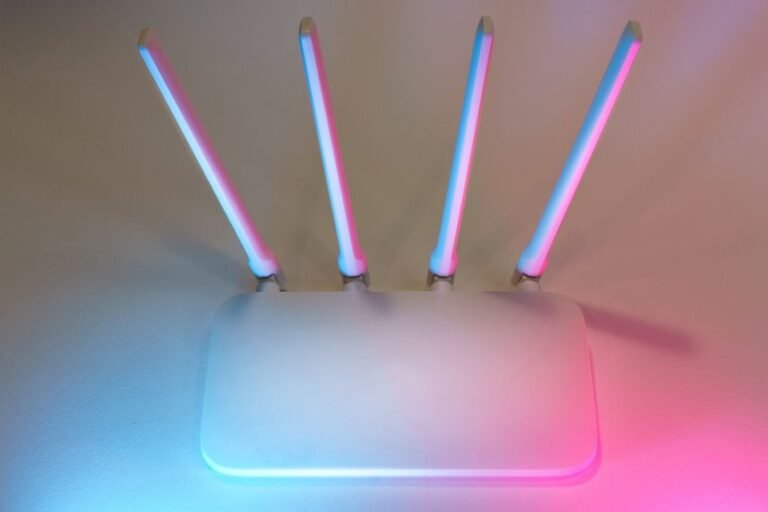
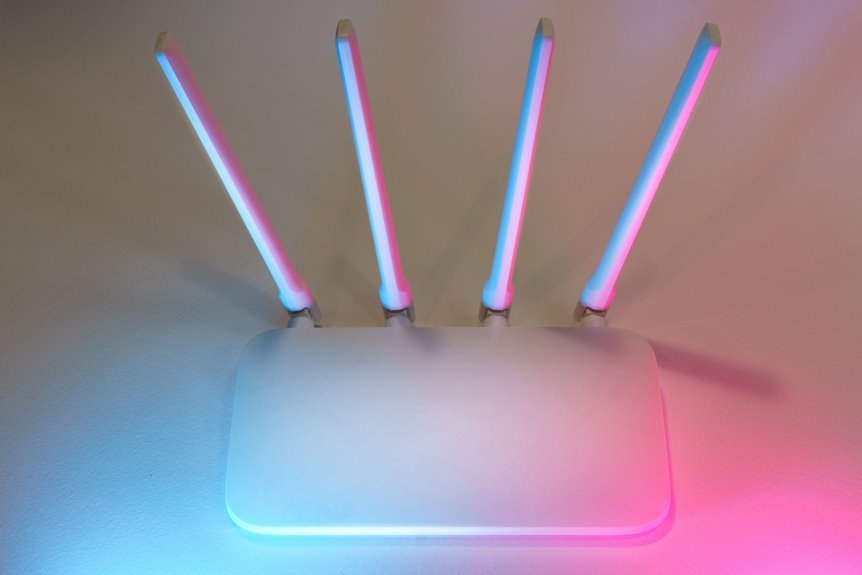
In the quiet glow of the router’s LED, the login window stands as a guarded gate. The password, a carefully chosen shield, keeps intruders at the perimeter. Each secure config change is a steady heartbeat, syncing with firmware as a loyal sentinel. When the network hums with trusted traffic, vigilance becomes its compass. The secure admin page, once entered, becomes a map—transparent, auditable, and unwavering—guiding every action through disciplined, symbolic stewardship of the home’s digital frontier.