168.110.2 Router Network Setup Guide
Identifying the 168.110.2 network involves understanding address classes and subnetting concepts to frame routing boundaries. A methodical approach outlines how historical subnetting improves routing efficiency and network scalability. The guide then presents a step-by-step wiring basics format: verify clean ports with rated cabling, confirm modem synchronization, connect the modem to the router, and perform a sequential power startup while monitoring link lights. A unique SSID and strong password are established, with guest segmentation and strict firewall rules to maintain secure boundaries.
How to Identify Your 168.110.2 Network Basics
To identify the 168.110.2 network basics, beginning with the address class and subnet structure is essential. This article provides a conceptual overview of addressing schemes and reveals historical context, showing how subnetting evolved to improve routing efficiency. The aim is clarity for readers seeking freedom in design, while preserving precise, methodical analysis of network boundaries and allocation.
Step-by-Step: Connect Modem, Router, and Power
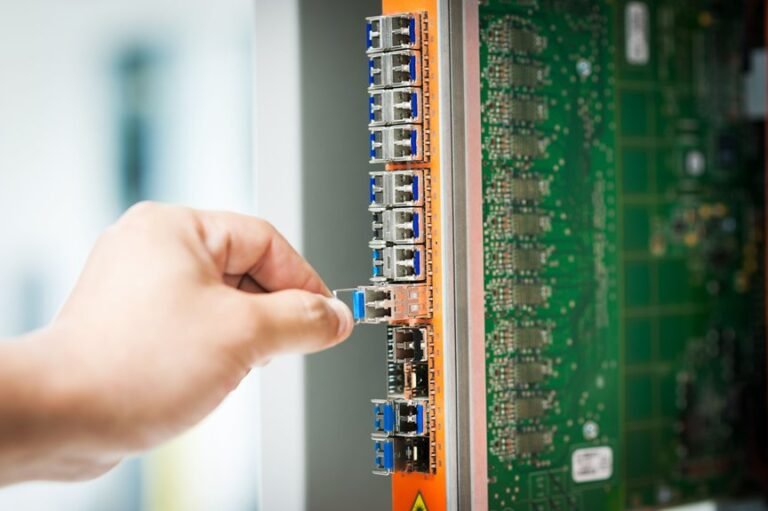
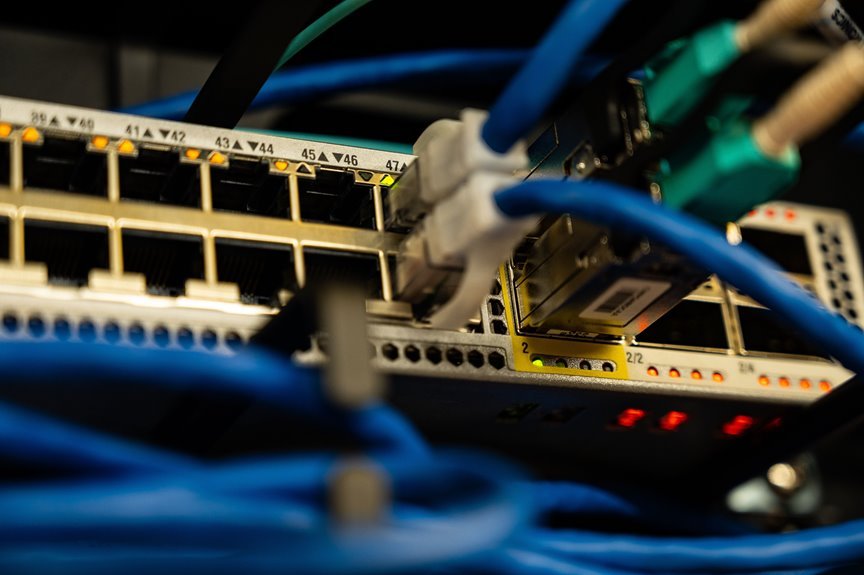
Connecting the modem, router, and power supply follows a precise sequence to establish a reliable network foundation. The procedure is presented in a step by step: wiring basics format, ensuring ports are clean and cables rated for networking. Confirm modem synchronization, connect to the router, then power sequentially. Document troubleshooting tips and verify link lights for consistent connectivity.
Create a Strong Wi‑Fi Name and Password You’ll Remember
A strong Wi‑Fi name and password are essential for secure access and easy identification of the network.
The guidance emphasizes a create unique password approach that emphasizes memorability without revealing personal details.
Designs should ignore other topics as irrelevant to headings, focusing on clarity and consistency.
Crafting concise credentials aids recall while maintaining robust cryptographic standards.
Lock Down Security: Settings That Protect Your Home Network
The home network requires a disciplined configuration approach to prevent unauthorized access and minimize risk.
Systematic hardening focuses on secure guest network segmentation, robust firewall configuration, and firmware integrity checks.
Devices should retain default-deny rules, with explicit allowlists for essential services.
Regular audits, strong authentication, and zero-trust principles empower users seeking freedom while maintaining disciplined security boundaries.
Continuous monitoring completes the framework.
Frequently Asked Questions
How Do I Update the Router’s Firmware for 168.110.2?
To perform a firmware upgrade, the user accesses the router’s admin interface, initiates a firmware upgrade, and follows on-screen prompts; verify integrity, reboot, and confirm new version. This router maintenance ensures secure operation and freedom through updates.
Can I Set up Guest Networks on 168.110.2?
Yes, one can configure a guest network on 168.110.2, enabling isolated access; enable WiFi scheduling to restrict times, and implement strong, separate credentials for the guest network, preserving primary network security and user autonomy.
What Parental Controls Are Available for 168.110.2?
Parental controls are limited; the system emphasizes freedom, yet offers standard filtering and time-based policies. Ironically, the controls’ reliability reveals parsing errors and inconsistent enforcement across diverse devices, complicating the intended network topology.
How Do I Port Forward on a 168.110.2 Router?
Port forwarding is configured by accessing the router’s admin interface, navigating to the NAT or Port Forwarding section, specifying the external and internal ports, and applying changes; this enhances services exposure while maintaining router security through disciplined rules.
What’s the Default IP for Accessing 168.110.2 Settings?
The default IP for accessing settings is the default gateway 192.168.0.1. It mirrors common gateway conventions; locally stored configurations remain unaffected by access, preserving local storage integrity while the user navigates the management interface with deliberate, precise steps.
Conclusion
In sum, the 168.110.2 setup is a disciplined protocol: identify the network class, secure the modem-router chain, and enforce a default-deny posture complemented by explicit allowlists. A unique SSID and strong password, plus guest segmentation, fortify access boundaries. Continuous monitoring, audits, and zero-trust controls sustain alignment with evolving threats. Like a craftsman’s lattice, the configuration holds tight with precise steps, steady lights, and uncompromising guardrails, ensuring resilient, well-ordered digital boundaries.