168.3.101 Router Network Setup Guide
The 168.3.101 Router Network Setup Guide presents a concise, technical path for unboxing, connecting, and securing a home or small-office network. It emphasizes precise steps: verify contents, power securely, and place for optimal performance, then access the Admin Page at 192.168.1.1 for initial hardening and firmware updates. It outlines structured Wi-Fi configuration, guest networks, and ongoing credential audits. The framework stops short of final validation, inviting the reader to test reliability under real-world conditions.
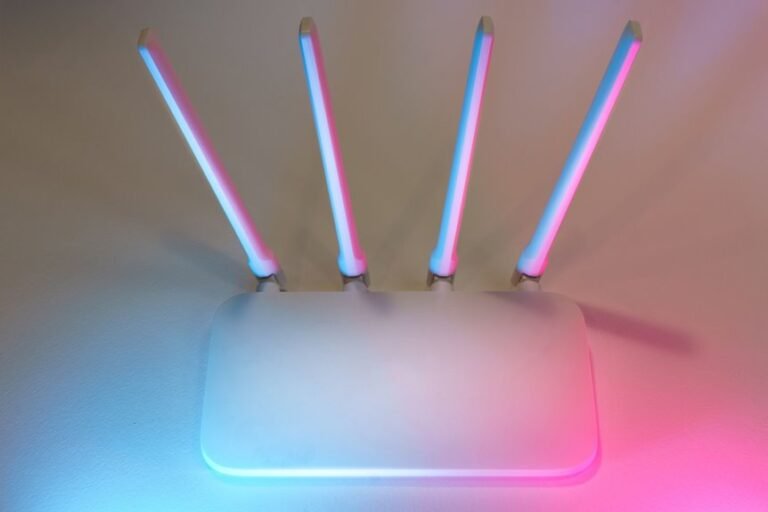
How to Unbox and Connect Your 168.3.101 Router Setup
Upon unboxing, the user should verify package contents against the included hardware list: 168.3.101 router unit, power adapter, Ethernet cable, quick-start guide, and warranty documentation.
The setup involves concise unboxing tips, establishing power connections, and initial placement guidelines.
Follow setup tips to position the router for optimal signal, with a focus on security, reliability, and freedom from unnecessary clutter.
Accessing the Admin Page and Initial Configuration
Access to the router’s Admin Page is established via a web browser by entering the device’s default IP address, typically 192.168.1.1, or its hostname as specified in the quick-start guide.
The initial configuration prioritizes security best practices, enabling firmware updates, selecting optimal wifi channels, and configuring parental controls, while documenting settings for future changes and network observability.
Securing Wi‑Fi: Names, Passwords, and Guest Networks
Securing Wi‑Fi involves selecting a distinctive network name, enforcing strong authentication, and segmenting access through guest networks. The configuration favors a secure default posture, enforcing complex passwords and automatic rotation.
Implement guest networks to isolate visitors from core resources, enabling segmentation browsing.
Network devices should publish minimal service exposure, while administrative interfaces remain shielded behind robust access controls and periodic credential audits.
Quick Verify and Next Steps for a Reliable Home Network
Quick verification of the home network ensures baseline reliability by confirming device reachability, firmware currency, and consistent configuration across core components; this step also identifies anomalies before routine operation begins. The process emphasizes repeatable checks, documented results, and proactive adjustments, enabling rapid remediation.
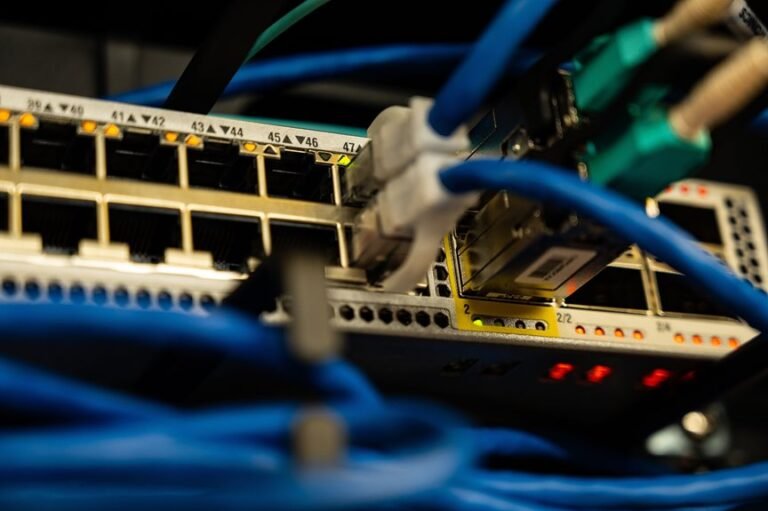
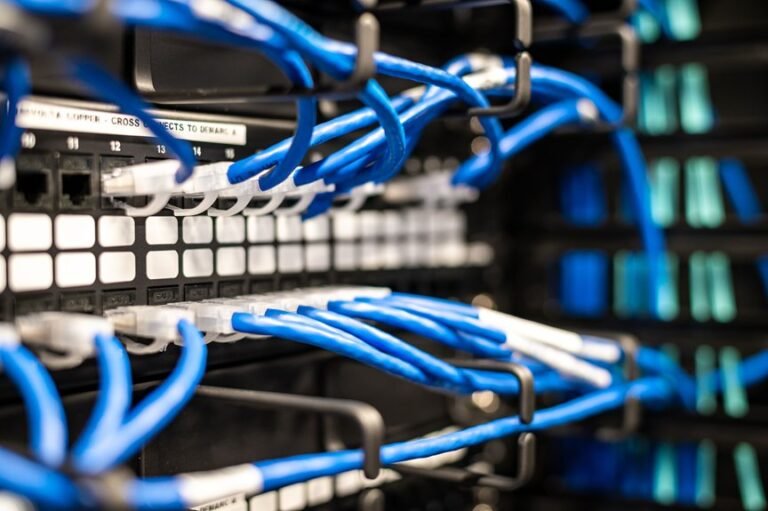
Unboxing tips guide initial observations, while ethernet setup confirms wired path integrity and optimal switch-port assignments for scalable performance.
Frequently Asked Questions
How to Update Firmware Manually on 168.3.101 Router?
The manual firmware update for the 168.3.101 router requires downloading the correct image, accessing the admin interface, and applying via Firmware Update, ensuring a rollback plan. It enables wireless scheduling and supports firmware rollback if issues occur.
What to Do if Router Reboots and Loses Settings?
The router begins in darkness, then stabilizes: recovery from reboot requires a saved configuration file; preserve settings by enabling automatic backup and verifying startup-config integrity, ensuring persistent, encrypted storage. Network-centric procedures ensure continuity and user freedom.
How to Configure Parental Controls Beyond Basic Wi‑Fi?
Parental controls beyond Wi‑Fi require device‑level and gateway policies, integrating time schedules, application filters, and DNS/URL blocking. Challenges and pitfalls include evasion tactics, misconfiguration, and inconsistent device coverage, demanding centralized management and transparent privacy considerations for freedom‑minded networks.
Can I Set up a VPN on This Router?
“Absolutely colossal”—the router can support VPN setup, though features vary by model; enable VPN passthrough or install a compatible firmware. For Parental controls, VPN usage may bypass filters; configure accordingly to maintain policy compliance and monitoring.
How to Restore Factory Defaults Without Losing Login Access?
To restore defaults without losing login access, the device utilizes a reserved recovery partition enabling login recovery, preserves remote access credentials, and requires a firmware backup prior to reconfiguration; action preserves launchable defaults while restoring essential network services.
Conclusion
The 168.3.101 router network setup yields a stable, segmented home environment when best practices are followed. Proper unboxing, secure Admin Page access at 192.168.1.1, and disciplined firmware updates establish a solid foundation. Thoughtful Wi‑Fi naming and strong passwords, paired with a guest network and robust access controls, prevent drift into vulnerability. Ongoing credential audits ensure reliability; testing confirms consistency. Like a well-tuned orchestra, the network performs in harmony, ready for dependable everyday use.