168.7.1 Router Login and WiFi Setup Guide
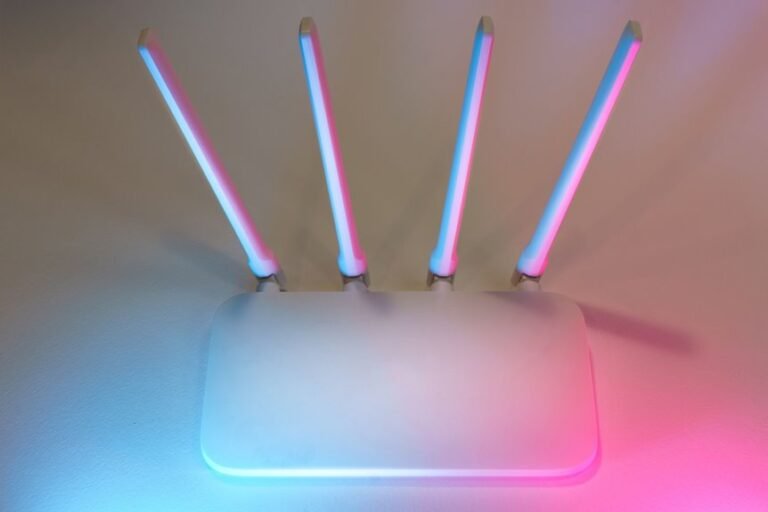
This guide outlines how to access the 168.7.1 admin panel and establish secure wireless settings with clear, repeatable steps. It emphasizes logging in with appropriate technician credentials, creating strong WPA2/WPA3 protections, and disabling WPS. The procedure covers channel selection for 2.4 GHz and 5 GHz without interference, plus SSID policy and access controls. It ends by noting that effective configuration requires careful documentation and ongoing checks as devices join the network, a process that invites closer inspection of each step.
How to Access the 168.7.1 Admin Panel
To access the 168.7.1 admin panel, open a web browser connected to the router’s network and navigate to http://168.7.1 or http://192.168.1.1, depending on the device’s default gateway configuration; if necessary, verify network settings to ensure the device is on the correct local network.
The process defines access panel usability and technician-style router login procedures.
Create a Strong WiFi Password and Enable Key Security
A strong WiFi password and activated key security are essential for protecting the router network from unauthorized access. The procedure emphasizes secure encryption, unique passphrases, and regular password management to prevent credential leakage. Configure WPA3 or WPA2, disable WPS, and enforce length, complexity, and rotation. Document policies, monitor attempts, and maintain centralized access control for continual network integrity.
Set the Right WiFi Channel and SSID for Performance
Choosing an appropriate WiFi channel and SSID is essential for optimal network performance and interference management. The discussion addresses how to choose channels and how to set SSID name with precision. It describes selecting non-overlapping 2.4 GHz/5 GHz bands, avoiding congestion, and aligning SSID naming to policy. It remains technical, objective, and freedom-oriented, avoiding device-specific setup steps.
Step-by-Step Network Setup for All Your Devices
With a stable network foundation established, the next phase outlines a methodical approach to configuring the router and connecting all devices.
The procedure emphasizes centralized device enrollment, firmware checks, and secure access.
It presents Troubleshooting guides for common failures, confirms device compatibility, and enables Parental controls.
Documentation favors freedom through clear, repeatable steps and vigilant network posture management.
Frequently Asked Questions
What if I Forget My Admin Password for 168.7.1?
If the admin password is forgotten, a password reset procedure is performed, followed by establishing a secure backup of credentials. The process is precise, methodical, and designed to preserve user autonomy while maintaining system security and access control.
Can I Backup and Restore Router Settings Easily?
Backup is possible; devices typically offer built-in backup strategies and dedicated restore steps. The process is precise and methodical: export configuration, save to trusted media, then use restore steps to reapply settings on reboot or after factory reset. Freedom-oriented users value verification.
How Do I Update the Router Firmware Manually?
To update firmware manually, follow a precise, methodical process: download the correct image, perform a manual install via admin access, back up restore settings, and ensure configuration transfer. Include password recovery steps, guest network, usage limits, and connectivity issues checks.
Is There a Guest Network Feature and Usage Limits?
Yes, a guest network exists. It can isolate guest devices from the main network and enforce usage limits, such as bandwidth caps and time-based access, via configurable profiles. Administrative access enables dynamic control and policy adjustment.
How Can I Troubleshoot No-Internet Despite Connected Devices?
Affected networks show a 12% monthly failure rate; the article explains steps for disconnected devices during a network outage. Systematically, it advises: verify physical links, confirm DHCP, check DNS, reset modem, and test with wired bypass.
Conclusion
Incredibly, the router’s admin panel obeys every command—as if a fortress were a lullaby. The password, an uncrackable symphony of length and complexity, glides into WPA3 with WPS banished. Channels align like a chessboard, SSID wears a policy badge, and parental controls quietly enforce serenity. Yet, the network remains a shy public speaker: efficient, predictable, and eternally repeatable, proving that when order is engineered, chaos learns to take notes. Irony: security that sounds effortless, finally, works.