1681.254 Router Login and Admin Access Guide
Access to the 1681.254 router admin page requires careful preparation. The guide outlines starting points, including secure access to 192.168.1.254 and first-login credential changes. It emphasizes disabling unused services, isolating the management interface, and enforcing strong controls. With firmware integrity checks and immutable backups, the framework aims to minimize exposure. The rationale behind these steps will become clear as potential attack vectors are mapped and mitigations are detailed.
How to Access the 1681.254 Admin Page
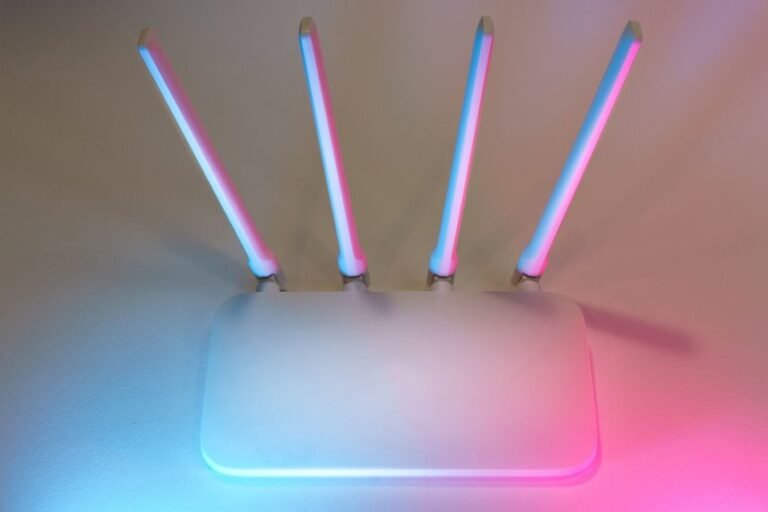
To access the 1681.254 admin page, users must connect a device to the router’s network and open a web browser to the default gateway address 192.168.1.254.
The session should be initiated on a secure connection, minimizing exposure to security flaws.
Maintain password hygiene, refusing default credentials, and employing unique, strong passwords for admin access and configuration edits.
Default Credentials and First-Login Tips
Default credentials present a critical security risk on first login. The guide advises changing, not reusing, defaults to strengthen login security. Immediately disable universal accounts and document unique admin passwords. Enforce strong passphrases, and perform a firmware backup before updates. Regularly review access logs, limit remote administration, and prepare a recovery plan to preserve operational continuity without compromising freedom.
Essential Security Tweaks for Immediate Protection
Immediate protection hinges on a concise set of hardening steps that can be applied at once.
The guidance emphasizes secure defaults and a disciplined patch cadence to minimize exposure.
Disabling unused services, enforcing strong admin access controls, and isolating the router management interface reduce risk.
Regular monitoring, anomaly detection, and minimal exposure ensure resilient, freedom-preserving network boundaries without unnecessary complexity.
Verify, Backup, and Keep Firmware Up to Date
Regular upkeep of a router requires confirming current firmware integrity, creating a reliable restore point, and maintaining an up-to-date software baseline. The process emphasizes syncing firmware across devices, conducting a periodic audit backups, and validating digital signatures. Maintain immutable logs, verify hash integrity, and store off-site copies. Timely updates mitigate exposure while preserving freedom to customize security configurations and recover swiftly from incidents.
Frequently Asked Questions
How Do I Reset the Router if I Forget the Admin Password?
To reset, perform a factory reset via the physical button, then restore settings from a firmware backup recovery if available; create a new strong admin password. Ensure network security, document steps, and verify device integrity after reset.
Can I Access the Admin Page From a Guest Network?
Can a guest network access admin pages? Generally no; security isolates guest networks from admin interfaces. This prevents firmware backup exposure and vpn blockade risks, preserving freedom while maintaining devices’ security against unauthorized access.
Is There a Way to Export Router Configuration Settings?
Yes, it supports exporting configuration. The report should include export policies and backup strategies, emphasizing secure storage, integrity verification, and access controls, enabling owners to restore networks while preserving freedom and minimizing risk.
What Should I Do if the Admin Page Is Blocked by VPN?
Satire aside, the admin page remains unreachable if VPN blocks it. Grant VPN access to the router’s management IP, or temporarily disconnect VPN. Note guest networks often impose limitations that hinder secure, full administrative control.
How Can I Recover a Corrupted Firmware Backup File?
The inquiry concerns recovery techniques for a corrupted firmware backup file and should emphasize rigorous backup verification. A disciplined approach entails verifying integrity, applying validated recovery tools, and maintaining immutable logs to support secure restoration and uncompromised device freedom.
Conclusion
The router’s admin page should be secured immediately after first access, with unique credentials and disabled universal accounts. By applying strict access controls, isolating the management interface, and disabling unused services, the device gains a hardened posture from the outset. Regular firmware checks, immutable backups, and vigilant logging complete the baseline defense. In this posture, security becomes a fortress: every configuration act is a brick laid with care, building enduring protection against evolving threats.