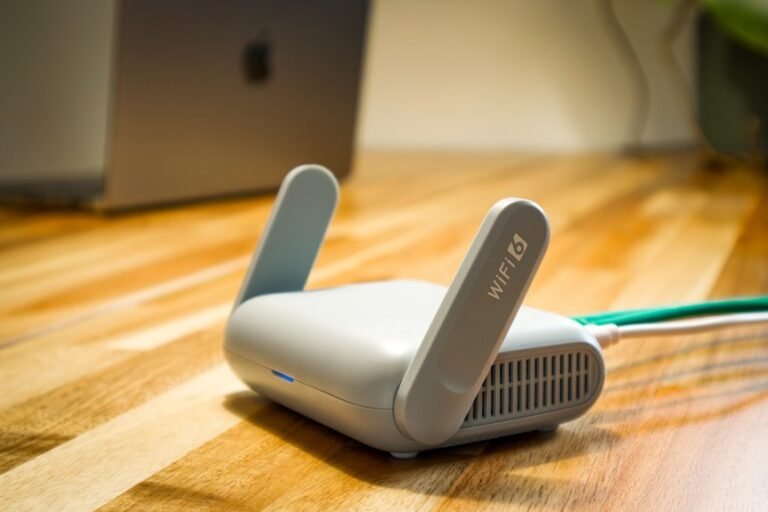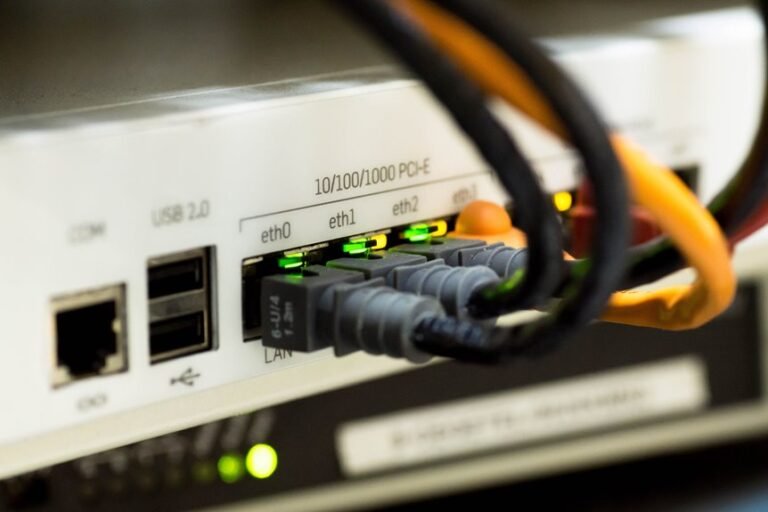
168.181 Router Login and Network Configuration Guide
A practical approach to the 168.181 router involves establishing a stable connection, then accessing the login page via the default IP. Credentials are used to unlock firmware updates and configuration options. The process begins with a review of default settings to create a solid security baseline, including credential isolation and LAN/WAN defaults. Next, Wi‑Fi is tightened with strong encryption and unique SSIDs, while guest networks are isolated. Port forwarding requires careful testing and defined rollback plans to minimize disruption.
How to Log in to the 168.181 Router
To log in to the 168.181 router, the user should first ensure a network connection to the device via Ethernet or its wireless network.
The login process requires entering the default IP address into a browser and supplying credentials.
After access, firmware updates should be checked periodically to maintain security and functionality without disrupting network freedom.
Discovering the Default Settings and Security Basics
The default settings of the 168.181 router establish the baseline security and functionality for initial configuration. In this section, the review isolates baseline values, default credentials, and LAN/WAN defaults, establishing a framework for controlled modification.
Two word discussion ideas include router security, wireless fundamentals; implications for independent exploration and safe, deliberate experimentation within a defined boundary.
Locking Down Wi‑Fi and Guest Networks
Locking down Wi‑Fi and guest networks requires a disciplined, methodical approach to configuration. The procedure emphasizes strong encryption, unique SSIDs, and separate authentication domains. Enforce privacy practices by disabling unnecessary broadcast features and limiting device visibility. Implement guest network isolation to segregate traffic, reserving bandwidth and enforcing firewall rules. Regular audits ensure continued security and user freedom within controlled boundaries.
Essential Port Forwarding and Troubleshooting Tips
Essential port forwarding and troubleshooting tips focus on clear, repeatable steps to enable external access while preserving security. The guidance emphasizes precise protocol, tested configurations, and documented changes. It highlights maintaining network isolation between services and devices, validating port mappings, and monitoring WAN vulnerability indicators. Troubleshooting procedures cover rollback, logs review, and firmware updates to sustain reliable, freedom-friendly connectivity.
Frequently Asked Questions
How to Update the Router’s Firmware Safely?
To update firmware safely, the user should verify model compatibility, download official firmware, and use a stable power source; perform a full backup, apply updates during a low-traffic window, and confirm integrity with a reboot and status check.
Can I Recover a Forgotten Master Password?
Yes, recovery is possible through a master reset. Forgotten password is restored by performing a hardware reset, then reconfiguring credentials. The device returns to default settings; security implications exist, requiring reinitialization and safeguarding to preserve freedom and control.
What Parental Controls Work Across All Devices?
Parental controls offering cross device compatibility are limited; firmware safety requires updates, and password recovery may be possible via recovery options. Real time monitoring, config backup, and well-documented settings enable freedom while ensuring control over devices and data.
Is There a Way to Backup and Restore Config?
One in four routers reportedly support job-saving backups; yes, there is a way to backup config and restore config. The process is methodical: export the configuration file, store securely, then import to restore, verifying integrity and permissions.
How to Monitor Real-Time Network Usage Securely?
Real time monitoring can be achieved via secure traffic analysis tools; ensure firmware safety, enable parental control across devices, and implement robust backup restore configuration practices to track usage without compromising privacy or freedom.
Conclusion
In summary, the 168.181 router setup emphasizes disciplined access control and reliable testing. Start with stable connectivity, log in via the default IP, and apply firmware updates and security baselines. Lock down Wi‑Fi with strong encryption, unique SSIDs, and guest isolation, then implement port forwarding only after careful review and rollback planning. The process is like assembling a precise toolset: every step aligns to a safe, repeatable network configuration, minimizing risk while preserving functionality.