168,100,1 Router Login and Network Configuration Guide
The guide on the 168,100,1 router outlines secure access and steady management. It explains how to connect a device, reach the default IP, and log in with updated credentials. It emphasizes replacing defaults, strong Wi‑Fi passwords, and firmware updates, while documenting changes. It covers performance tuning through channel selection and bandwidth controls, plus disciplined security practices. Each section raises practical questions and concrete steps, inviting closer scrutiny to ensure reliability as configurations evolve.
How to Log In to 168,100,1 Router: Access, Credentials, and First Steps
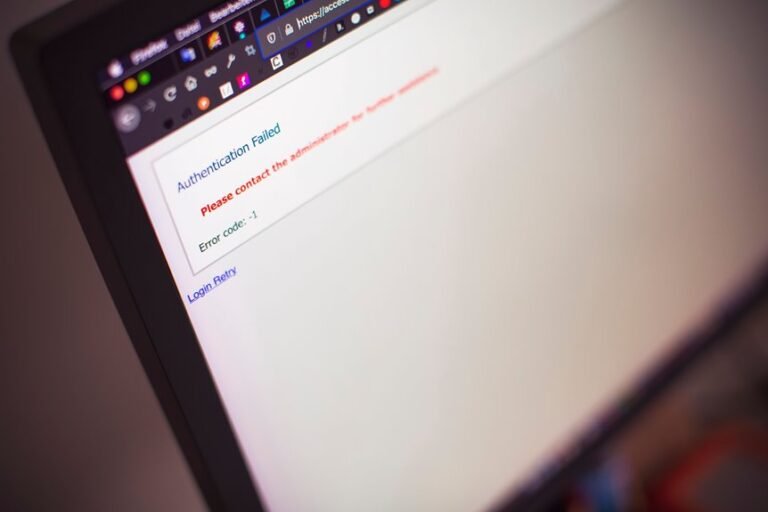
Accessing the 168,100,1 router requires connecting a computer to the device’s web interface via a wired Ethernet connection or a secured wireless link, then navigating to the router’s default IP address in a web browser.
The session begins with login tips, followed by a concise credential entry.
A robust password strategy minimizes risk while maintaining operational flexibility and user autonomy.
Secure Your Network: Changing Defaults, Strong Wi-Fi Passwords, and Firmware
Securing the network begins with replacing default credentials, implementing a strong Wi-Fi password, and applying firmware updates. The section outlines credential changes, password strength criteria, and reliable update practices, emphasizing consistent monitoring and documented configurations. It presents a disciplined approach for users seeking freedom through security discipline, noting two word discussion ideas: router farming, firmware longevity.
Fine-Tuning Performance: Bandwidth, Channel, and Security Settings Explained
Fine-tuning a home network involves isolating and optimizing three core parameters: bandwidth allocation, channel selection, and security settings. The discussion outlines bandwidth optimization strategies, channel selection impacts, and security hardening practices while emphasizing controlled configurations. Firmware updates are noted as essential maintenance. The detached analysis provides precise, structured guidance for informed users seeking freedom through optimized performance and resilient, scalable networks.
Troubleshoot Like a Pro: Common Connectivity Issues and Quick Fixes
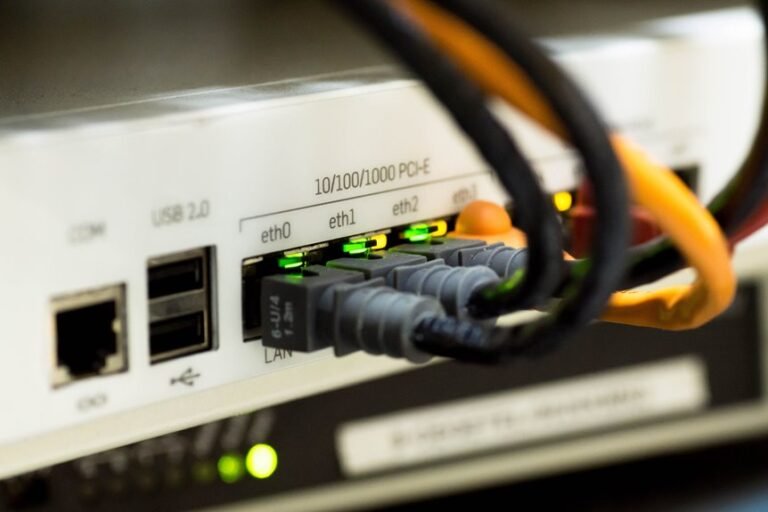
Common connectivity issues arise from misconfigurations, interference, or hardware faults, and a methodical approach enables rapid restoration of service. Idle troubleshooting emphasizes systematic checks: verify WAN and LAN statuses, reassess IP schemes, and confirm DNS reachability. Router ergonomics matter: maintain organized cabling, accessible indicators, and consistent resets. Document changes, test after each fix, and escalate when firmware or ISP constraints limit resolution.
Frequently Asked Questions
Can I Change the Router’s Default IP Address?
Yes, a router’s default IP can be changed. To do so, access admin settings, modify the LAN IP, and save/apply. Afterward, update firmware if available, and change password to maintain security during the transition.
How Do I Reset the Router to Factory Settings?
The device resets to factory settings via the reset button, erasing configurations; this enables changing IP address later. It preserves guest networks, parental controls, and vpn passthrough options, ensuring quick restoration while maintaining control over resetting router behavior.
Is VPN Passthrough Supported on This Model?
VPN passthrough is supported on this model, indicating router compatibility. Imagery: signals stream like a clear river beneath a bridge, while precise technical notes confirm compatibility. The statement remains concise, structured, and suitable for freedom-seeking tech users.
How Can I Set up Guest Wi-Fi Networks?
To set up guest Wi Fi, the device enables a dedicated guest SSID with bandwidth controls and WPA3. Configure guest network isolation to prevent intra-network access, ensuring isolated client traffic while preserving overall network freedom and visibility.
What Parental Controls Options Are Available?
Parental controls overview identifies available features, while Device login scheduling enforces access windows. The system offers content filters, time restrictions, and client-specific rules; configuration appears centralized, precise, and flexible, supporting user freedom through clearly defined, auditable control parameters and schedules.
Conclusion
The router stands as a quiet harbor in a restless sea. Each configuration change is a lighthouse beam, cutting through fog of vulnerability. Defaults shed like old keys, firmware updates become the steady compass, guiding security and uptime. Channel and bandwidth choices sketch a map to clarity, while logs and tests remain the weathered charts. When issues rise like storms, disciplined escalation and documentation keep the course true, preserving trust between user and network.