192168.11.1 Router Login and Admin Panel Guide
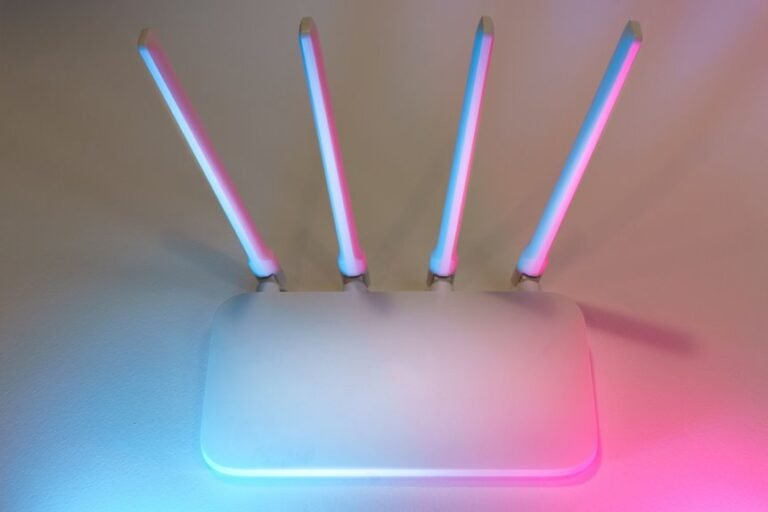
Accessing the 192.168.11.1 router interface requires a wired or wireless connection to the device. The user should open a browser and enter 192.168.11.1, then log in with the correct credentials. If access is blocked, verify the URL, clear cache, and reboot the router before retrying. After login, attention turns to securing the network and updating firmware, with careful notes kept for repeatable troubleshooting. The next step presents specific configuration choices and potential pitfalls to anticipate.
How to Find and Access 192.168.1.1 Login
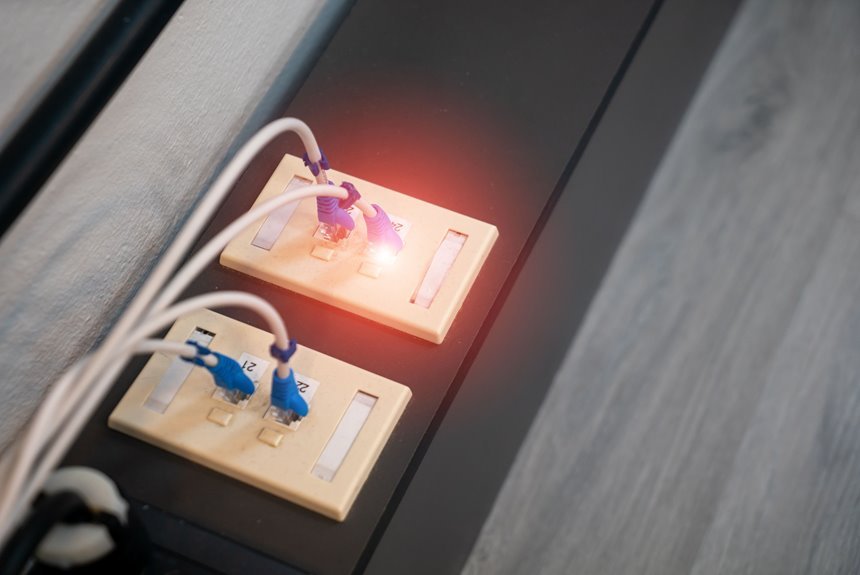
Access to the 192.168.1.1 login page is typically obtained by connecting a device to the router’s network via Ethernet or Wi‑Fi and entering the IP address into a web browser.
The procedure emphasizes finding router capabilities, diagnosing access issues, and confirming device visibility.
Once connected, users may assess updating firmware status and enable parental controls for structured, freedom-minded network governance.
Entering Credentials and What to Do If You’re Blocked
Entering credentials requires careful alignment with the router’s login page: users should enter the exact username and password configured on the device or provided by the ISP. If access is blocked, verify correct URL, clear browser cache, and retry after reboot. For uninterrupted operation, ensure fast and secure access while applying firmware updates when available.
Tuning Your Router Settings: Wi-Fi Name, Password, and Security
To optimize network performance and security after logging in, the guide focuses on configuring the router’s Wi-Fi name (SSID), password, and wireless protection settings. The process emphasizes stable naming conventions, strong passphrases, and WPA3 when available, with careful channel and bandwidth selection. Tuning brightness and updating firmware are ancillary tasks ensuring consistent, secure operation and long-term reliability.
Solve Common Login Problems and Ongoing Maintenance
When users encounter login issues, a structured, methodical approach helps identify and remediate common failures efficiently.
The section outlines troubleshooting steps for access problems, including verifying device reachability, checking credentials, and inspecting ports.
Ongoing maintenance emphasizes regular network troubleshooting cycles and firmware updates, ensuring security patches and stability.
Documentation promotes repeatable routines, minimizing downtime and preserving admin panel reliability.
Frequently Asked Questions
Can I Login Using a Mobile App to Reach Admin Panel?
Yes, it is possible; mobile app access may reach the admin panel if the device is on the same network or uses a secured remote method. Emphasize admin panel security and trusted app sources to preserve freedom.
What to Do if I Forget the Router Admin Password?
If the password is forgotten, password recovery procedures restore admin access. A cautious technician notes: reset or recovery process may involve a reset button and miso-safe steps. This anecdote demonstrates resilience; data point: documented recovery success rate.
How to Reset to Factory Settings Without Losing Internet?
The reset procedure can restore factory defaults while maintaining internet connectivity, though temporary downtime may occur; to minimize impact, perform during off-peak hours. Post-reset, verify wifi performance and reconfigure essential settings for uninterrupted service.
Are There Guest Network Limits on 192.168.1.1 Devices?
An interesting statistic shows only 28% of home networks enforce guest restrictions consistently. There are guest network limits on 192.168.1.1 devices; two word ideas: network resources. In precise terms, configurations vary, but access policies govern bandwidth, isolation, and monitoring of guest clients.
How to Back up or Export Router Configuration?
The answer: A router’s backup configuration can be created via the admin panel, exporting settings and firmware backup files; this preserves user permissions while ensuring easy restoration; document steps for reliable export settings and secure storage.
Conclusion
In the silence of circuitry, the gateway remains a quiet oracle, exchanging whispers between device and network. When the login succeeds, a door opens to order and clarity—SSIDs aligned, keys guarded, firmware refreshed like a lighthouse’s steady beam. If obstacles arise, treat them as weathered marmots at the pass: clear caches, reboot, recheck addresses. The system endures through disciplined maintenance, a disciplined conductor guiding signals through the maze to secure, reliable connectivity.